Cotton linen is a popular fabric blend that combines the softness and breathability of cotton with the strength and texture of linen. This versatile fabric is widely used in clothing, home textiles, and more, offering the best of both worlds. This guide explores what makes cotton linen so special, its various applications, and how to care for it to ensure longevity and maintain its quality.
Cotton linen is a blended fabric made from both cotton and linen fibers. Cotton is known for its softness, absorbency, and comfort, while linen is appreciated for its durability, lightweight nature, and unique texture. By combining these two materials, cotton linen fabric offers a balanced mix of both, resulting in a fabric that is both comfortable and sturdy. This blend is ideal for those looking to enjoy the benefits of both fabrics in a single product.
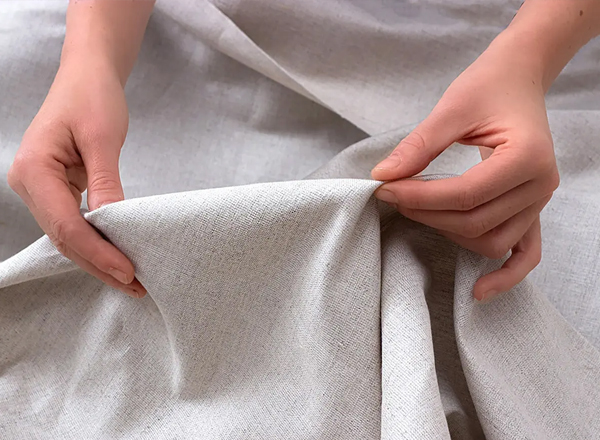
The inclusion of cotton fibers in the blend gives cotton linen its softness, making it comfortable to wear and use. It feels gentle against the skin, making it a popular choice for clothing and bedding.
Cotton linen is highly breathable, thanks to the natural properties of both cotton and linen fibers. This quality makes it an excellent fabric for summer clothing and bedding, as it allows air to circulate, keeping the body cool and comfortable.
Linen is known for its strength, and when blended with cotton, it enhances the durability of the fabric. Cotton linen can withstand regular use and washing without showing significant signs of wear and tear, making it a long-lasting choice for various applications.
Cotton linen is highly absorbent, making it suitable for towels, napkins, and other items that come into contact with moisture. Its ability to absorb and release moisture quickly helps keep the fabric feeling fresh and comfortable.
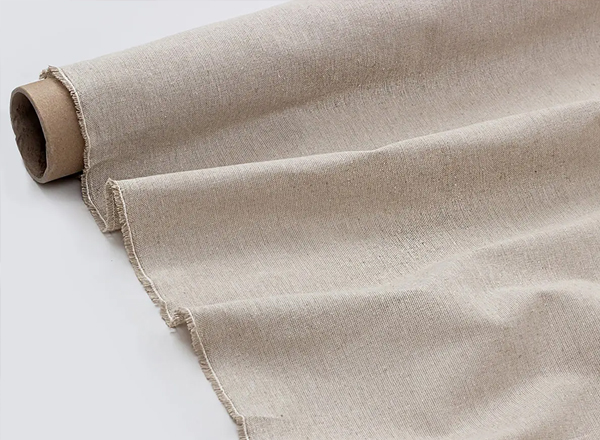
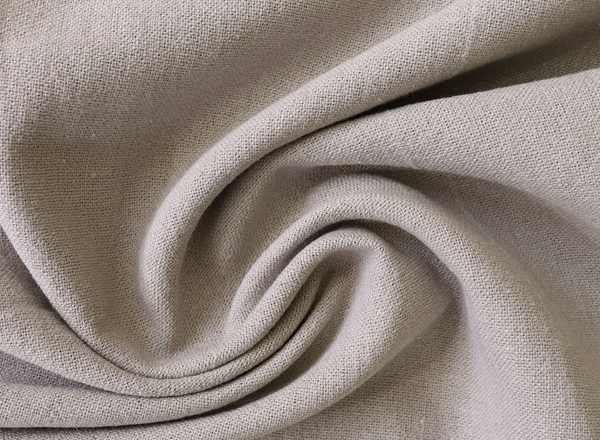
The blend of cotton and linen results in a unique texture that is slightly rougher than pure cotton but smoother than pure linen. This texture adds a touch of sophistication and elegance to the fabric, making it ideal for both casual and formal settings.
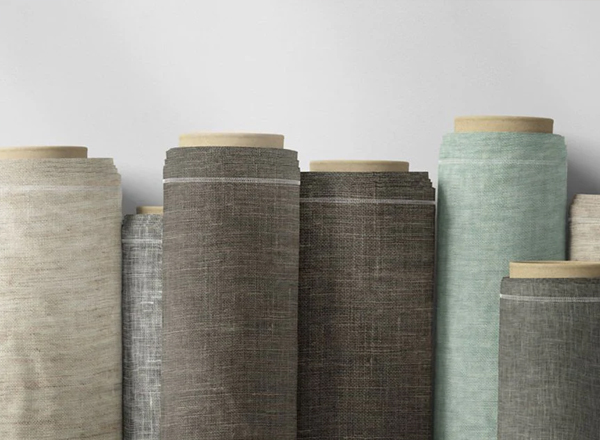
Cotton linen has a natural, earthy appearance that is both timeless and versatile. Its subtle texture and slight sheen give it a sophisticated look that complements a wide range of interior decor styles and fashion trends.
Cotton linen is a popular choice for clothing due to its comfort and breathability. It is commonly used to make shirts, blouses, dresses, pants, and jackets. The fabric's ability to keep the wearer cool makes it a favorite for summer and spring attire. Cotton linen clothing is often chosen for its relaxed, casual appearance, as well as its ability to drape elegantly.
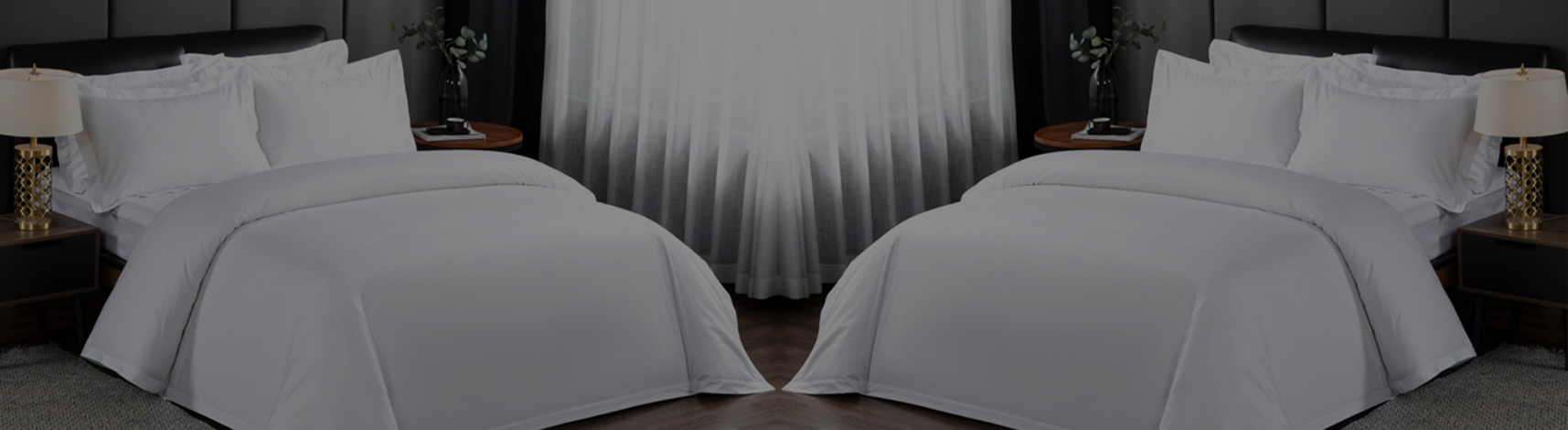
Bedding made from cotton linen offers a combination of comfort and durability. Cotton linen sheets, pillowcases, and duvet covers are breathable, absorbent, and soft to the touch, making them ideal for a good night's sleep. The fabric's natural texture and appearance add a touch of luxury and style to the bedroom.
Cotton linen is frequently used for tablecloths, napkins, and placemats due to its absorbency and elegant appearance. It provides a refined look for dining settings, whether for everyday use or special occasions. Cotton linen table linens are easy to care for and maintain, making them a practical and stylish choice for any table.
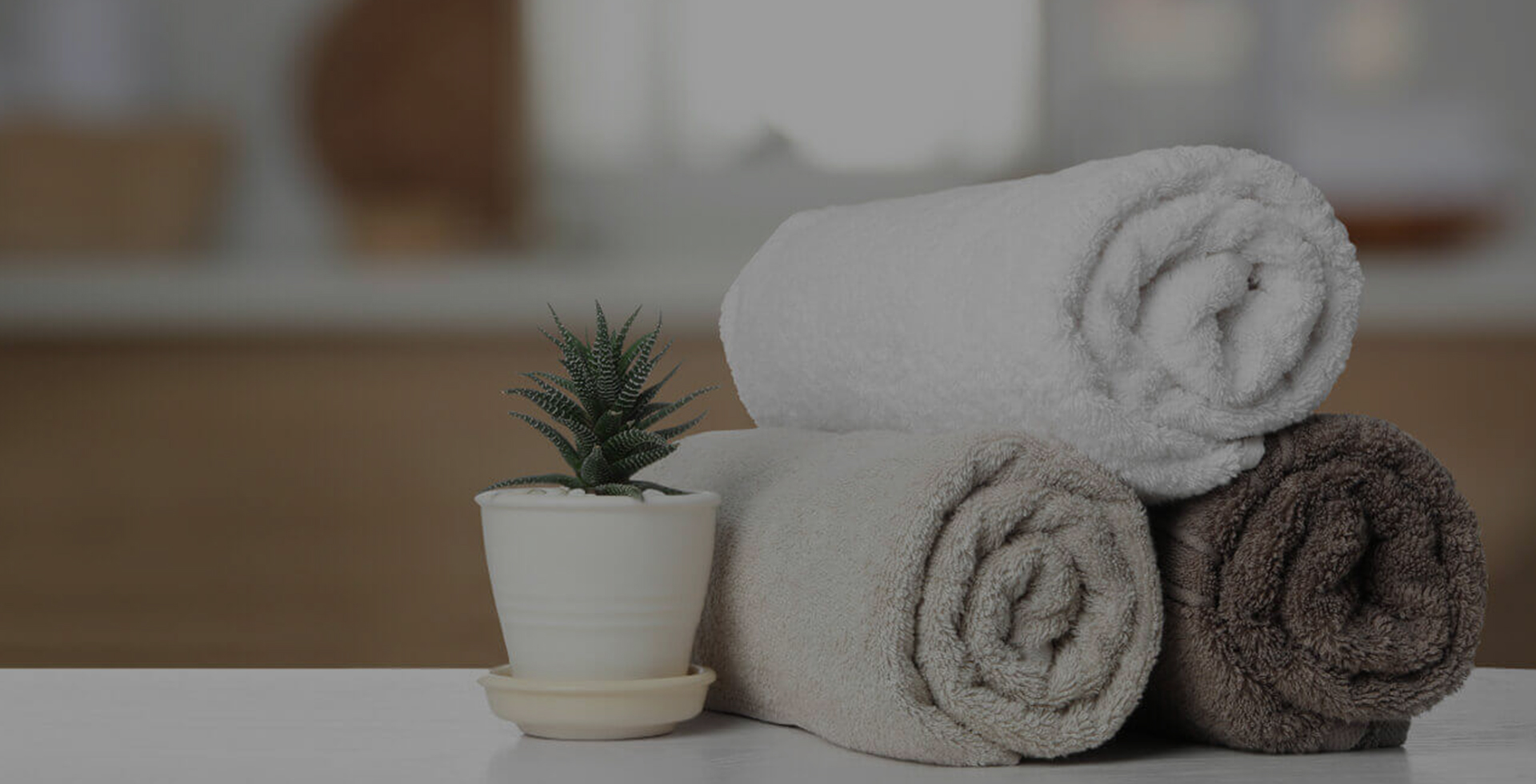
Cotton linen towels are valued for their softness and absorbency. They are suitable for use in bathrooms, kitchens, and spas. These towels dry quickly and are less prone to developing unpleasant odors, making them a hygienic option for daily use.
Cotton linen is also used in various home decor items, such as curtains, cushion covers, and upholstery. Its natural texture and appearance enhance the aesthetic of any room, providing a cozy and inviting atmosphere. Cotton linen is easy to work with, making it a popular choice for DIY home decor projects.
To keep cotton linen looking its best, wash it in cold or lukewarm water using a gentle detergent. Avoid using bleach or harsh chemicals, as they can weaken the fibers and cause discoloration. It's best to wash cotton linen separately or with similar colors to prevent any dye transfer.
Cotton linen can be air-dried or tumble-dried on a low heat setting. Overdrying can lead to wrinkles and a rough texture, so it's best to remove items from the dryer while they are still slightly damp and let them finish drying naturally. Air-drying is recommended to maintain the fabric's softness and shape.
Iron cotton linen while it's slightly damp to achieve the best results. Use a medium heat setting and a steam iron to remove wrinkles effectively. For a crisp, polished look, iron the fabric on the reverse side. Avoid using high heat, as it can scorch the fibers and cause damage.
Store cotton linen in a cool, dry place to prevent mold and mildew. Fold items neatly and place them in a drawer or on a shelf, away from direct sunlight, which can fade the fabric. Using breathable storage bags can help protect cotton linen from dust and pests while allowing air circulation.
Address stains on cotton linen promptly to prevent them from setting. Gently blot the stain with a clean cloth and apply a mild stain remover or a solution of water and vinegar. Avoid rubbing the stain, as this can spread it and damage the fabric. After treating the stain, wash the item according to the care instructions.
Cotton linen is a versatile and durable fabric that offers a unique combination of comfort, breathability, and elegance. Its blend of cotton and linen fibers makes it suitable for a wide range of applications, from clothing and bedding to home decor and table linens. By understanding how to care for cotton linen properly, you can enjoy its benefits for years to come. Whether you're looking to enhance your wardrobe, bedroom, or home, cotton linen is an excellent choice that offers both style and functionality.